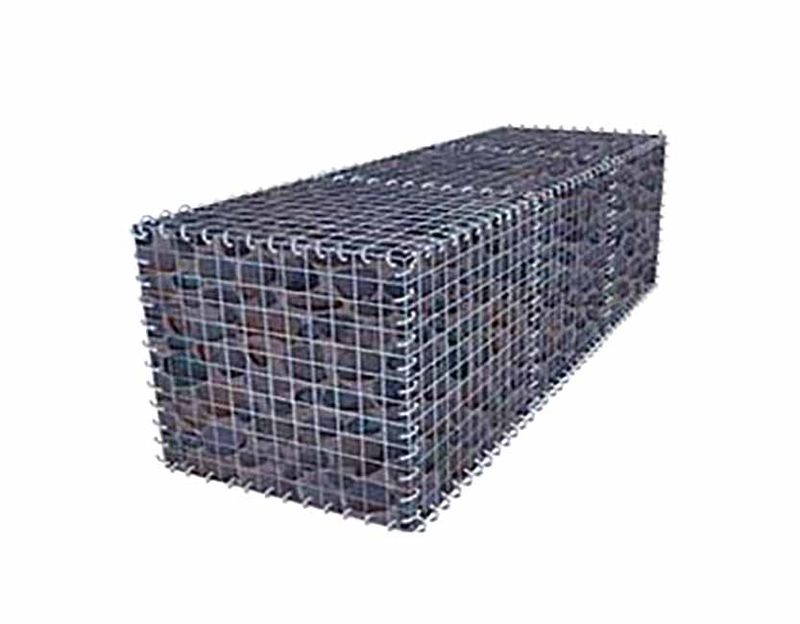
Introduction to Gabion Mesh
1. Definition
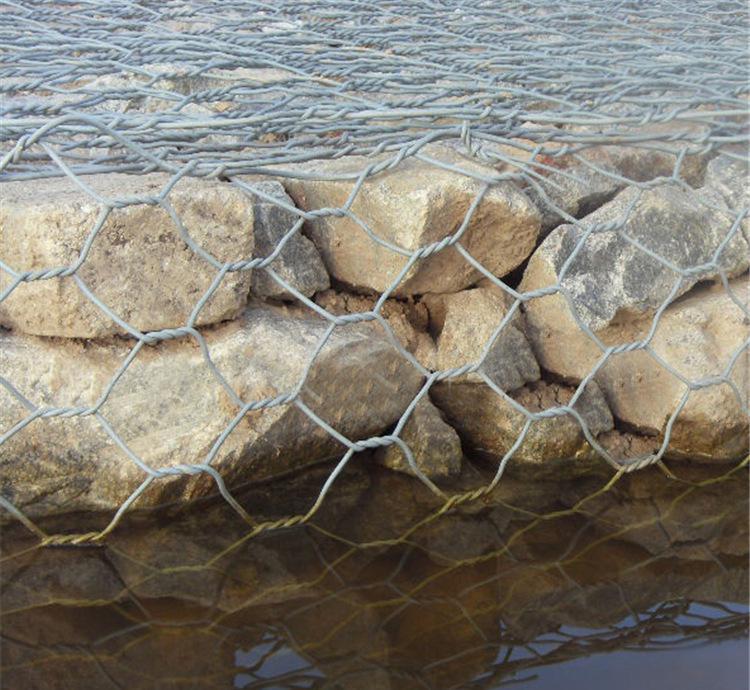
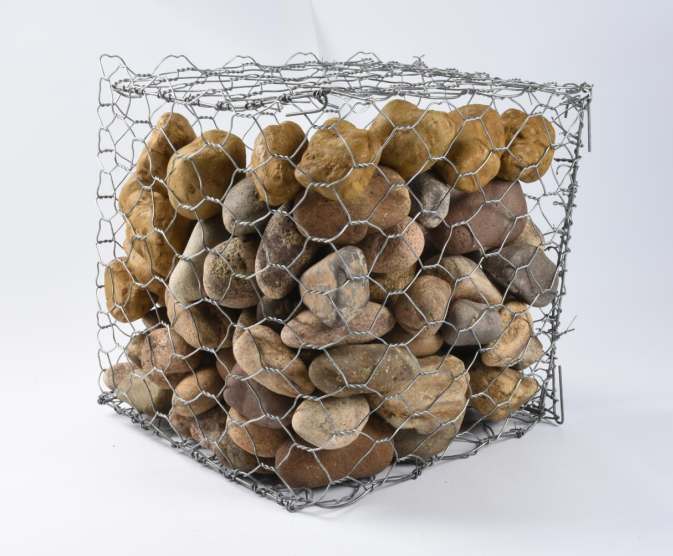
- Gabion mesh, also known as gabion box, is a flexible wire mesh cage made of heavily galvanized or zinc‑aluminum alloy woven steel wire.
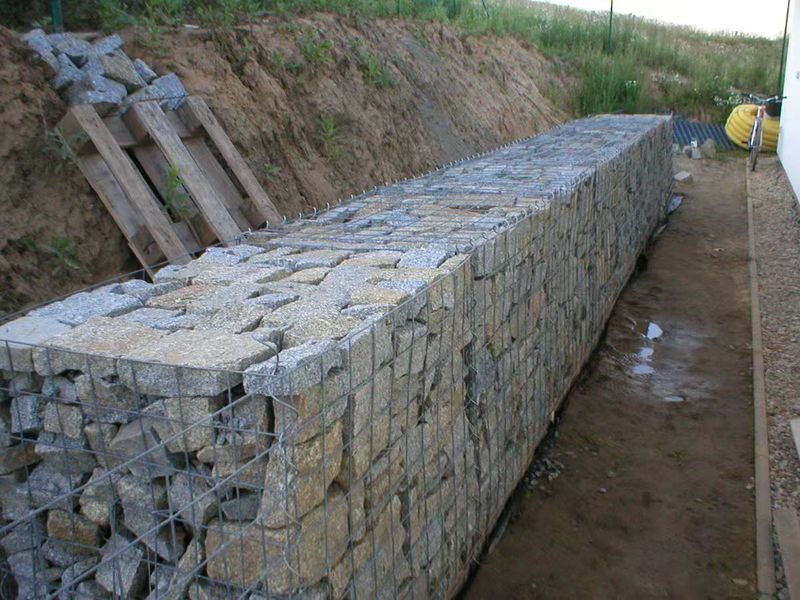
- The cages are filled with stones, pebbles or rock fragments on site to form retaining walls, slope protection structures and river‑bank stabilization works.
- It is widely used in water conservancy projects, highway slope reinforcement, landscape construction and ecological restoration.
- Flexible structural support: The woven mesh body can adapt to slight ground settlement and deformation without structural fracture.
- Gravity stability: The self‑weight of filled stones provides gravity resistance against soil pressure and water flow impact.
- Ecological permeability: Gaps between internal stones allow water infiltration, preserve groundwater circulation and create living space for plants.
- Anti‑erosion protection: It holds back soil particles, reduces scouring from running water and prevents slope collapse.
3. Main Structure & Materials
- Mesh panel: Double‑twisted hexagonal woven mesh, high tensile strength, not easy to unravel after local damage.
- Reinforcement components: Binding wires and internal diaphragms, used to fix box shape and prevent bulging after stone filling.
- Filling materials: Hard rock, cobblestone, crushed stone; particle size should match mesh aperture.
4. Key Performance Indicators
- Wire tensile strength: Guarantee the overall structural strength of mesh cages.
- Anti‑corrosion performance: Coating thickness determines service life in wet, saline‑alkali environments.
- Mesh aperture & box dimension: Standard sizes for different engineering scenarios.
- Flexibility & deformation resistance: Tolerate minor ground movement without cracking.
- Permeability: Water can pass freely through stone gaps.
5. Typical Application Scenarios
- River and channel engineering: Riverbank erosion control, channel lining, flood control dike reinforcement.
- Slope protection for roads: Highway and railway slope stabilization, prevent landslide and rock fall.
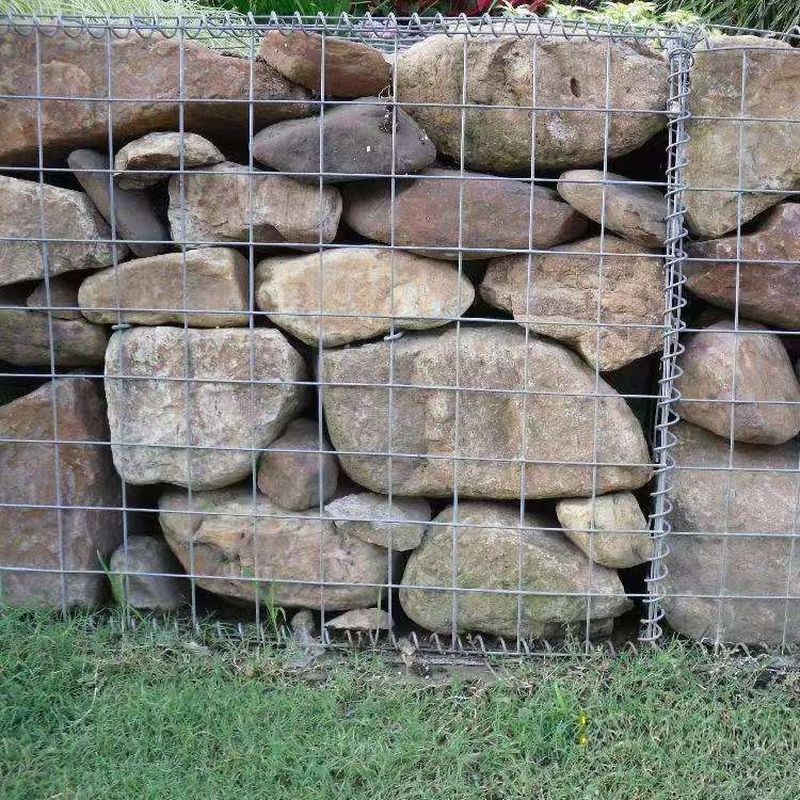
- Ecological restoration: Ecological retaining walls, green revetments; gaps enable vegetation to grow.
- Landscape projects: Decorative gabion walls, garden retaining structures for urban parks.
- Excellent flexibility, adapts to ground subsidence and deformation.
- Good ecological permeability, beneficial for plant growth and aquatic environment.
- On‑site assembly is convenient; local stone resources can be used for filling to cut project cost.
- Strong anti‑scouring capacity for hydraulic projects.
7. Conclusion
- Gabion mesh is a mature eco‑friendly geotechnical material.
- Thanks to flexible structure, permeability and cost‑effective construction, it plays an irreplaceable role in water conservancy, transportation slope protection and ecological landscape engineering.